

Stomach Pain: Is It Just Gas or Something Serious?
Stomach pain can range from a mild annoyance to a sign that something more serious is going on, and knowing the difference can help you decide when to wait it out and when to seek care.


Written by: Corey Alexander
Published on: February 17, 2026
That sudden cramp, dull ache, or sharp twinge in your belly can stop you in your tracks. Maybe it’s just gas or something you ate last night, but sometimes, stomach pain is your body’s way of signaling something more serious.
Understanding when to rest at home and when to seek medical care can make all the difference in your recovery - especially here in the Dallas-Fort Worth area, where seasonal stomach bugs and foodborne illnesses can play a role.
Let’s break it down.
Common Causes of Stomach Pain
Most stomach pain is mild and temporary, often linked to digestion. However, in North Texas, certain health trends stand out:
- Indigestion or acid reflux: That burning sensation in your chest or upper abdomen after a meal.
- Gas and bloating: While gas is usually harmless, persistent bloating or pain could signal a more serious issue, like irritable bowel syndrome (IBS) or a food allergy.
- Constipation: Constipation is a frequent complaint, often linked to a lack of fiber in the diet or dehydration.
- Food poisoning: Improperly stored or undercooked food can lead to food poisoning, a common issue in our warm climate.
- Stomach flu: Gastroenteritis is the most common, which tends to spike in North Texas during certain seasons.
- Digestive sensitivities: Lactose intolerance and gluten sensitivities are frequent culprits of abdominal discomfort.
Even mild issues can escalate. For instance, norovirus can cause severe dehydration, especially in children and older adults.
More Serious Causes
When you say, “My stomach hurts,” the pain could actually be coming from several organs in your abdomen. This area is home to your stomach, intestines, liver, gallbladder, and pancreas—all working hard to keep you going.
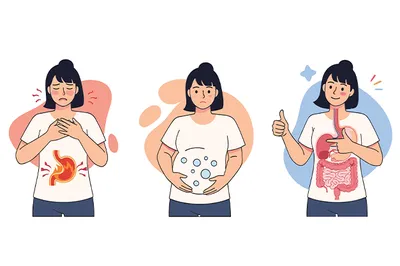
Because so many organs are packed into this space, pinpointing the source of pain can be tricky. To help narrow it down, doctors often divide the abdomen into four quadrants:
- Lower right pain? Could be appendicitis, especially if the pain starts near your belly button and shifts to the lower right.
- Upper right pain after a heavy meal? Might be your gallbladder, particularly if it’s accompanied by nausea or bloating.
- Upper left pain? This could point to stomach issues like gastritis or even your pancreas.
- Lower left pain? Often linked to constipation or diverticulitis, a condition involving inflammation in the colon.
Quick Relief at Home
If your pain is mild and familiar, try these remedies:
- Rest your gut: Stick to bland foods like crackers or bananas.
- Hydrate: Sip water or electrolyte drinks, especially if you’re vomiting or have diarrhea.
- Apply heat: A warm heating pad can ease cramps.
- Try natural remedies: Ginger for indigestion or peppermint for gas.
- Over-the-counter help: Antacids or gas relief meds can work wonders—just follow the directions.
When to Visit Legacy ER & Urgent Care
While some abdominal pain resolves on its own, if the discomfort doesn’t improve after a day or two, it’s time to get checked out. You should also see a doctor right away if you can’t sit, stand, or if the pain comes on quickly and spreads to your chest, neck, or shoulder. If you experience a hard or rigid stomach, difficulty breathing, or blood in your stool, you should get help immediately
At Legacy ER & Urgent Care, we’re committed to providing North Texas with exceptional care, whether it’s severe constipation or a more serious infection. With our unique model combining emergency and urgent care under one roof, you’ll always get the right care, right when you need it, at the right price. Find a location near you.